After a death, injury, or other traumatic incident, you need reliable help with the space left behind. Biohazard Cleanup Pros explains the cleanup so you can make decisions without facing contaminated materials yourself. Call (888) 365-5480 for biohazard cleanup in League City once entry is allowed.
League City, TX
Local Help When You Need It
Discreet & Professional
20 Years Experience
Call (888) 365-5480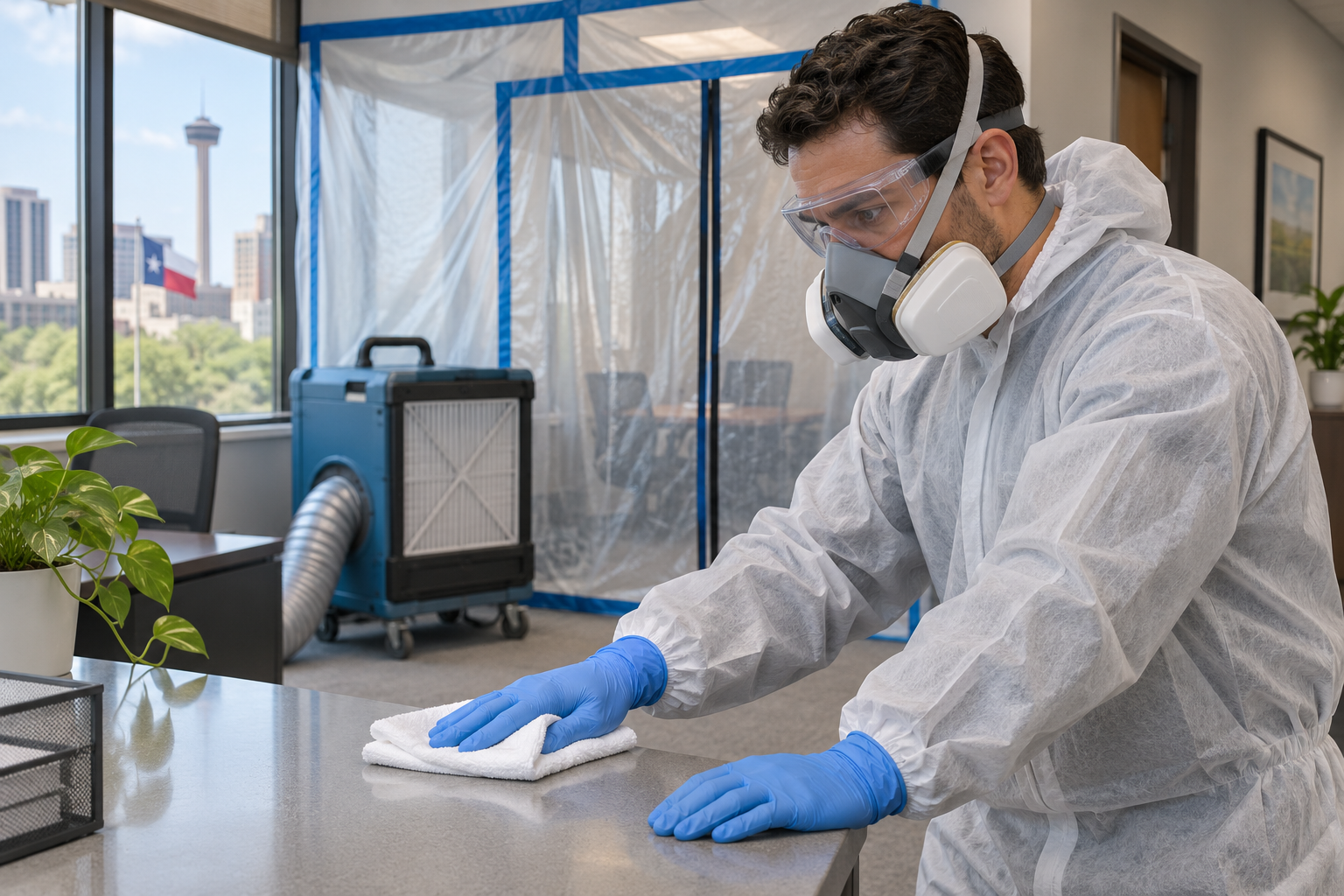
Cleaning plans built around the affected space
Tell us which rooms are involved, whether the building is occupied, and who can authorize work. We first establish whether investigators have released the area. Then an on-site assessment identifies the contamination and the materials it reached. You receive an explanation of the proposed scope before approving removal or cleaning.
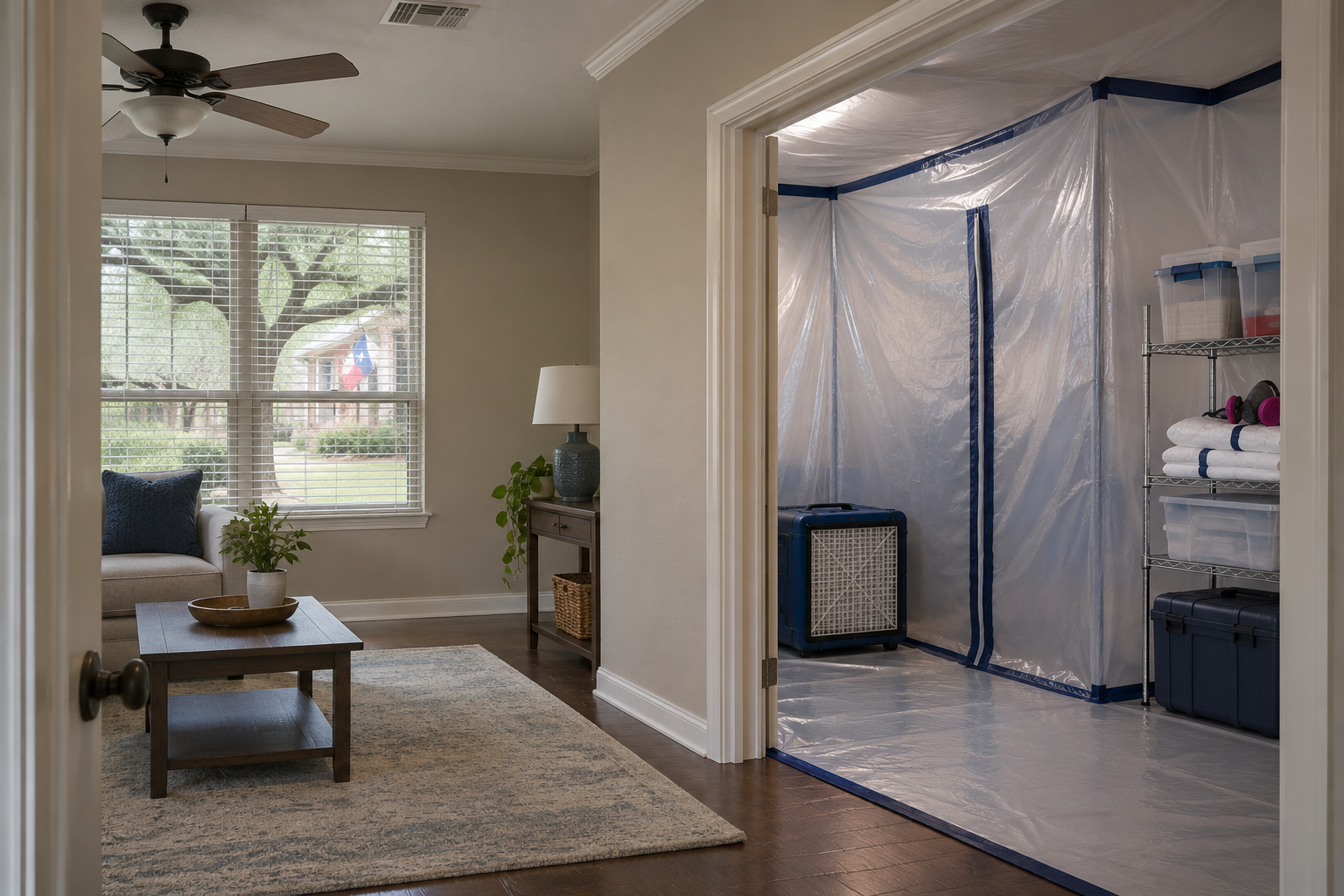
Containment and protective equipment help separate the work from unaffected parts of the building. Technicians plan how equipment and contained waste will move through the property. Porous items that cannot be properly cleaned need removal rather than surface treatment alone. We explain those findings while distinguishing affected belongings from possessions outside the cleanup area.
Cleaning removes contamination from accessible affected surfaces before disinfection. Suitable EPA-registered products are used according to their labels. HEPA filtration supports particle control when required, and waste receives appropriate containment and disposal arrangements. The final review identifies completed work, access limitations, and materials that need repair or replacement.
Biohazard cleanup in League City after scene release
The local police Records Management Unit provides report and public-information services. Its page explains that complete reports require an open records request when online information is insufficient. Requesting a report is different from obtaining permission to disturb a scene. Ask the investigating authority about entry and cleanup restrictions before anyone starts property work.
For a death handled by the Galveston County Medical Examiner, its published FAQ helps families understand that office’s role. Questions about remains and investigation records belong with the responsible office or funeral home. Our role concerns the affected building and its contents after release. We do not replace investigators, funeral providers, or emergency responders.
Blood cleanup for occupied homes and workplaces
Visible blood does not show every affected material. Fluids can reach flooring seams, carpet padding, upholstery, and unfinished materials. Our blood cleanup assessment looks at those materials before recommending removal.
A workplace also needs an agreed boundary between the cleanup area and other staff or customer spaces. We coordinate entry with the authorized property manager or business representative. Shared access routes should remain part of that conversation from the beginning. Updates to staff should explain access arrangements without disclosing private details about the incident.
Unattended death cleanup and source-based odor removal
Unattended death cleanup can involve concealed materials as well as visible contamination. We check the source and extent before deciding what cleaning and removal are necessary. Odor removal follows that work rather than relying on fragrance to disguise a problem. If the source remains beneath a finish, further access needs to be identified.
You should know where cleaning ends and reconstruction begins. We explain openings, removed materials, and areas that remain inaccessible. Our review of the completed scope focuses on the actual condition of the affected space. Repair decisions should follow that information instead of covering unresolved contamination with new finishes.
Care for older buildings and shared properties
The city’s Historic Overlay District includes a requirement to follow local design guidelines. Those guidelines cover a district with residential and nonresidential buildings. If later repairs affect protected features, ask the city about requirements before changing them. We identify cleanup-related removal needs so owners can distinguish urgent cleaning from subsequent building alterations.
An older floor or wall can contain layers that complicate access to affected materials. We explain findings before expanding the approved scope. In a rental or shared building, the property manager should also identify common-area rules and occupied neighboring spaces.
Respectful assistance after difficult events
Families arranging suicide cleanup deserve direct answers delivered with care. We explain material handling and cleaning without expecting relatives to prepare contaminated rooms. Crime scene cleanup follows the same respect for authorized access and personal privacy. Tell us who should approve decisions and receive progress updates.
For insurance, ask your carrier about coverage and the records needed to review the loss. We explain the scope and available cleaning documentation. Material-removal records and photos describe the property work rather than determining a coverage outcome. Learn about suicide cleanup and crime scene cleanup.
Questions about local cleanup arrangements
Who permits League City cleanup after an investigation?
The agency controlling the scene must allow access and property work. Check directly with that agency about any restrictions. A public report does not itself release a room for cleaning. Share the release information when arranging an assessment.
Where should Galveston County families ask medical-examiner questions?
Use the Medical Examiner’s published family information for cases handled by that office. Its FAQ explains several responsibilities involving the investigation and funeral arrangements. Cleanup questions about the building are separate. Confirm which office handles the case before directing official questions.
Does a historic building need a different plan?
Existing finishes and concealed layers affect the assessment. We explain necessary removal. Later alterations to protected features require attention to city guidance. Cleaning and reconstruction should be clearly separated in the scope.
Can residents remain in unaffected rooms?
That depends on the contamination boundary and access conditions. The assessment considers occupied areas and appropriate containment. We explain restrictions before work begins. Follow those instructions rather than entering the cleanup space.
Should I remove furniture before calling?
Leave potentially contaminated items undisturbed. Moving them can spread contamination into other areas. Describe the affected furniture when you call. We will explain how the assessment addresses belongings.
Talk through the next step with our team
Call (888) 365-5480 for discreet League City biohazard cleanup support. We also serve Houston, Pearland, and Pasadena. Start with the location and what you know about entry permission. We will explain how to arrange the property assessment with care and confidence.